Tooth pain can strike at the worst times, making it hard to sleep or eat. A chipped tooth, a knocked-out tooth, or sudden mouth swelling can cause panic and confusion about what steps to take next.
About one in five people will face a dental emergency each year that needs quick attention. Many do not know where to turn for help when this happens.
Here you will know when to seek emergency dentistry and where to get immediate help. You will also find signs of urgent dental care, first steps you can take at home, and how to find fast professional treatment. Find out how simple actions can make a big difference in your oral health.
Dental emergencies can happen unexpectedly. Pain, bleeding, or infection often signals the need for urgent care. People should act quickly when they notice these signs. Taking immediate steps can make a difference before heading to the dentist.
Severe pain often signals a dental emergency. Patients may experience intense tooth pain that disrupts their daily activities. A knocked-out tooth requires immediate attention to increase the chances of saving it.
Uncontrolled bleeding from the mouth is another sign that needs urgent care. Infections can also pose serious risks; they may cause swelling and fever, indicating a need for prompt treatment.
Taking swift action can help manage these situations effectively. Rinsing the mouth with warm saltwater may provide temporary relief for pain or infection. For knocked-out teeth, keeping the tooth moist in milk or saline helps preserve it until reaching a dentist.
Each symptom highlights the importance of seeking urgent dental care without delay to maintain oral health and well-being.
Dental emergencies can happen anytime. If someone experiences tooth pain, they should try to rinse their mouth with warm salt water. This simple step helps reduce irritation and may provide some relief.
For a knocked-out tooth, the person must handle it carefully. They should pick it up by the crown, not the root, and rinse it gently if dirty. Keeping the tooth moist is key; placing it in milk or saline solution works well.
In cases of uncontrolled bleeding from the mouth or gums, applying pressure with a clean cloth can help stop the flow. Patients experiencing signs of infection should avoid using hot or cold compresses directly on their face.
Instead, sticking to over-the-counter pain management strategies will aid comfort until an emergency dentist is available for urgent dental care.
People can find emergency dental clinics through online searches. Patients should check their insurance plans to identify covered services and providers.
Finding emergency dental clinics can prove essential during a dental crisis. A quick online search for emergency dentists in the area will often yield immediate results. Local health websites frequently list after-hours dentists who provide support outside regular business hours.
Patients should keep their insurance details handy to confirm coverage. Calling local dental offices directly may reveal if they accept walk-in patients or have same-day appointments available for urgent situations involving tooth pain or dental trauma.
Finding the right place for urgent dental care is crucial. An emergency dentist can handle many dental issues, such as severe tooth pain or knocked-out teeth. These professionals focus on oral health and provide immediate assistance for injuries or infections that involve the mouth.
An emergency room serves a different purpose. It addresses life-threatening situations like uncontrolled bleeding or severe facial swelling. Patients experiencing these symptoms should go to the ER first.
Knowing when to choose between an emergency dentist and an ER can ensure prompt treatment and better outcomes in times of need.
Seek urgent dental care for severe tooth pain, heavy bleeding, a knocked-out tooth, or large swelling that affects breathing. These signs mean a dental emergency. Call your dentist or a medical facility right away.
A dental emergency includes severe tooth pain that stops sleep or eating. It includes a lost or very loose tooth, heavy bleeding, a broken jaw, or fever with fast swelling. Get help now.
Rinse your mouth with warm salt water. Apply a cold pack to the cheek for 15 minutes. Take a pain reliever per the label. Do not put medicine directly on the tooth or gum. Then call for urgent dental care.
Call your regular dentist first. If you cannot reach them, go to a local dental clinic, a hospital emergency unit, or a community medical clinic. Some areas have urgent dental care centers with evening and weekend hours.
Tell us a little about what you need — we'll be in touch shortly.
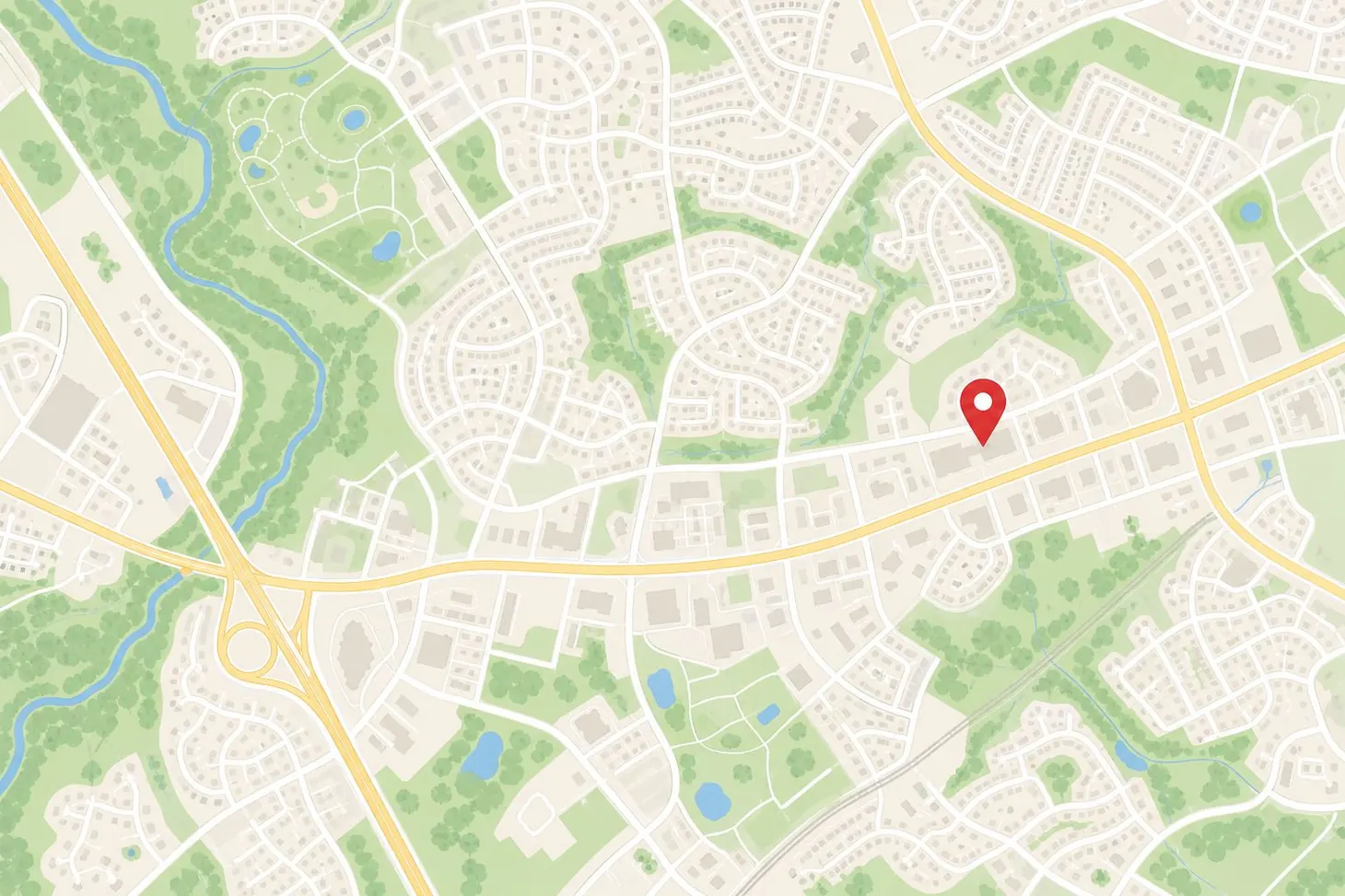
14999 Health Center Dr #110, Bowie, MD 20716, United States
Hi! I'm Tooth fairy! Your AI Assistant Ask me anything