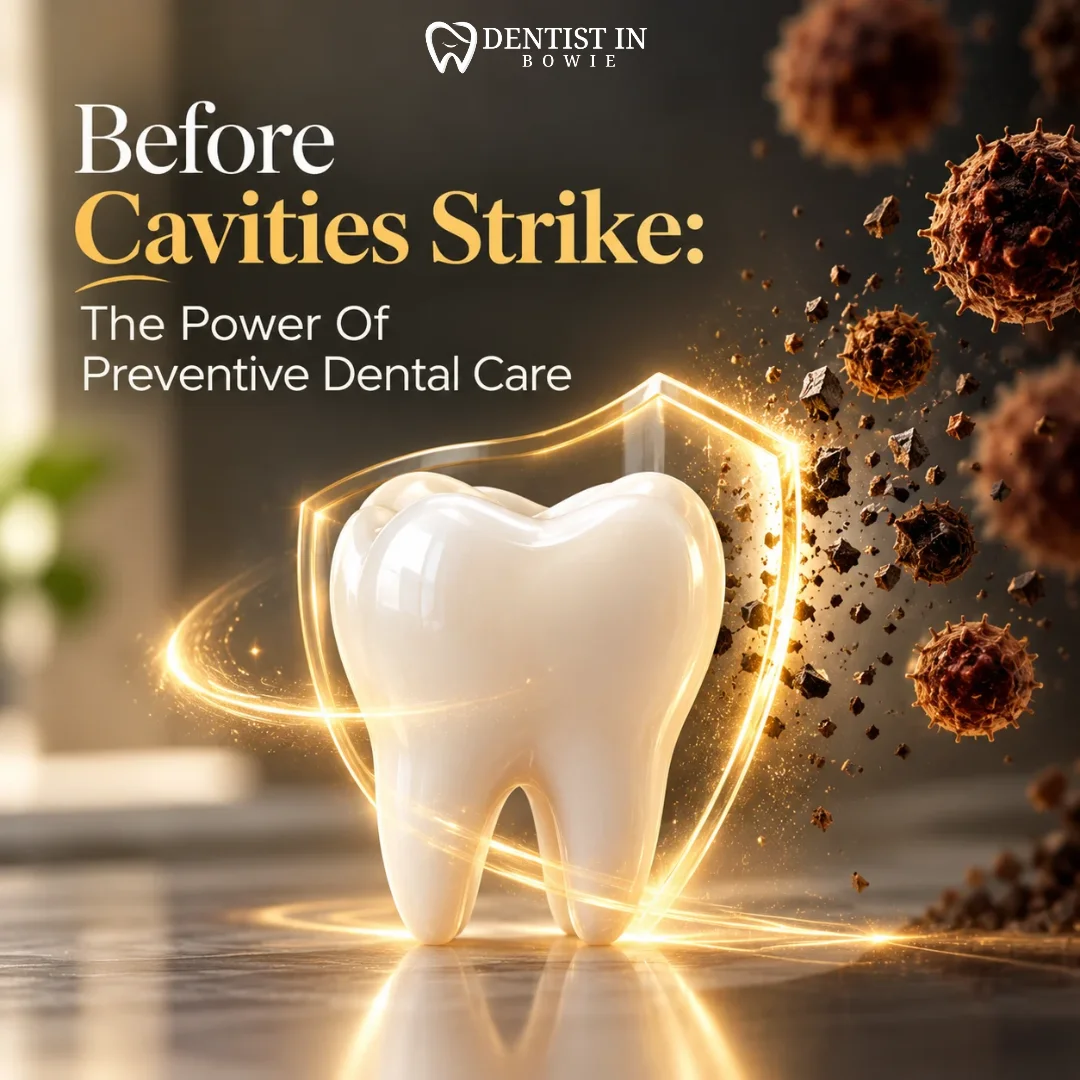
Many people dread the sharp pain of a cavity. They skip checks, then wonder why their tooth hurts. This is a common problem for busy families and teens who forget daily care. Dental-cleaning-and-prevention can stop trouble before it starts.
A good fact helps here. Regular checkups cut the risk of cavities and gum disease. Here you will know daily habits, clinic visits, and simple treatments.
Preventive dental care keeps small problems from turning into big ones. It means brushing and flossing daily, seeing a dentist for regular checkups twice a year, and getting professional cleanings to remove plaque.
A dental hygienist once watched a teenager avoid a root canal after early treatment stopped enamel breakdown. Fluoride treatment helps harden enamel and can cut decay by about 25 percent; dental sealants can block grooves in molars and lower cavities by up to 80 percent.
This care focuses on stopping tooth decay and protecting gum health. Patients get simple tools and tips for better oral hygiene and fewer emergencies. Dentists spot early signs of tooth decay and gum disease during exams. Small steps pay off with fewer fillings, less pain, and a healthier smile.
Preventive dentistry focuses on keeping teeth and gums healthy. Regular visits to the dentist play a big role in catching problems early.
Adults should visit a dentist every six months. Dentists look for early signs of cavities, gum disease, and tooth decay. They measure plaque and check old fillings. Regular checkups speed up plaque removal and support cavities prevention.
Exams often include X-rays and a quick oral exam. Hygienists clean, polish, and floss to cut down bacteria. Dentists may add fluoride treatment or dental sealants for stronger enamel.
Patients keep brighter smiles and better gum health when they stick to regular dental checkups, and dentists catch trouble before it throws a wrench in the works.
Hygienists remove plaque and tartar with special tools to cut cavity risk and protect gum health. Patients should get a professional cleaning every six months to keep oral hygiene on track.
A hygienist reports removing heavy tartar in a single visit that stopped gum bleeding and lowered decay risk.
Regular visits tie to cavities prevention and better dental checkups. The team talks about proper brushing and flossing at each visit and shows how fluoride treatment and sealants fit into long term care.
Fluoride treatments strengthen teeth and help prevent cavities. Dentists apply fluoride gel or foam after a cleaning session. This treatment can significantly reduce the chances of tooth decay by up to 30%.
Many parents recall their childhood visits to the dentist where they experienced the refreshing flavor of fluoride—sweet and minty, it was easy to remember.
Fluoride works by making enamel tougher and more resistant to acids from plaque bacteria. It also helps repair early stages of tooth decay before cavities develop. Some people may opt for fluoride varnish, which remains on the teeth longer for added protection.
Regular fluoride treatments fit perfectly into preventive care routines, ensuring lifelong oral hygiene and healthier smiles.
Professional cleanings help keep teeth shiny, but dental sealants take protection to another level. These thin coatings guard the chewing surfaces of back teeth. They fill in grooves and create a smooth surface that traps less food and plaque.
Kids often benefit from sealants during their molar eruption. This coating can drastically cut down on cavities by preventing tooth decay. Adults can also use them for extra protection.
With sealants in place, achieving optimal oral hygiene becomes easier for everyone involved in maintaining a healthy smile.
Preventive dental care offers significant advantages. It helps keep cavities and gum disease at bay, which means healthier teeth for the long haul. Plus, maintaining oral hygiene can save both time and money in the future.
Regular checkups lead to early detection of potential problems, allowing quick fixes before they turn into major issues.
Regular dental checkups help keep cavities and gum disease at bay. These visits allow dentists to spot early signs of trouble. They can catch tooth decay before it worsens. Professional cleanings remove plaque, reducing the risk of gum issues. Fluoride treatments strengthen enamel and fight off harmful bacteria.
Dental sealants act as a shield against cavities, particularly for kids. Applying sealants fills in tiny grooves on teeth where food particles like to hide. Using these preventive measures creates a strong defense for oral health; it makes those trips to the dentist much easier down the road.
Preventive dental care greatly boosts long-term oral health. Regular checkups help catch issues early, while professional cleanings remove plaque that brushing alone might miss. Fluoride treatments strengthen tooth enamel and protect against decay. Dental sealants create a barrier over molars, reducing cavity risk even further.
People who prioritize preventive care often enjoy brighter smiles and healthier gums for years to come. Avoiding cavities and gum disease saves both time and money down the line. Good habits today lead to fewer trips to the dentist tomorrow.
Preventive dental care involves regular check-ups and cleanings to stop cavities before they start. It focuses on maintaining good oral health through daily habits like brushing, flossing, and visiting the dentist.
This type of care helps catch problems early. By addressing issues like plaque build-up or gum disease promptly, you can save time and money in the long run while keeping your smile bright.
Most experts recommend visiting the dentist every six months for a check-up and cleaning. However, some people may need more frequent visits based on their individual needs or risk factors.
Brush twice a day with fluoride toothpaste; don't forget to floss daily too! Limit sugary snacks and drinks that can lead to cavities; these small changes make a big difference in your overall oral health.
Tell us a little about what you need — we'll be in touch shortly.
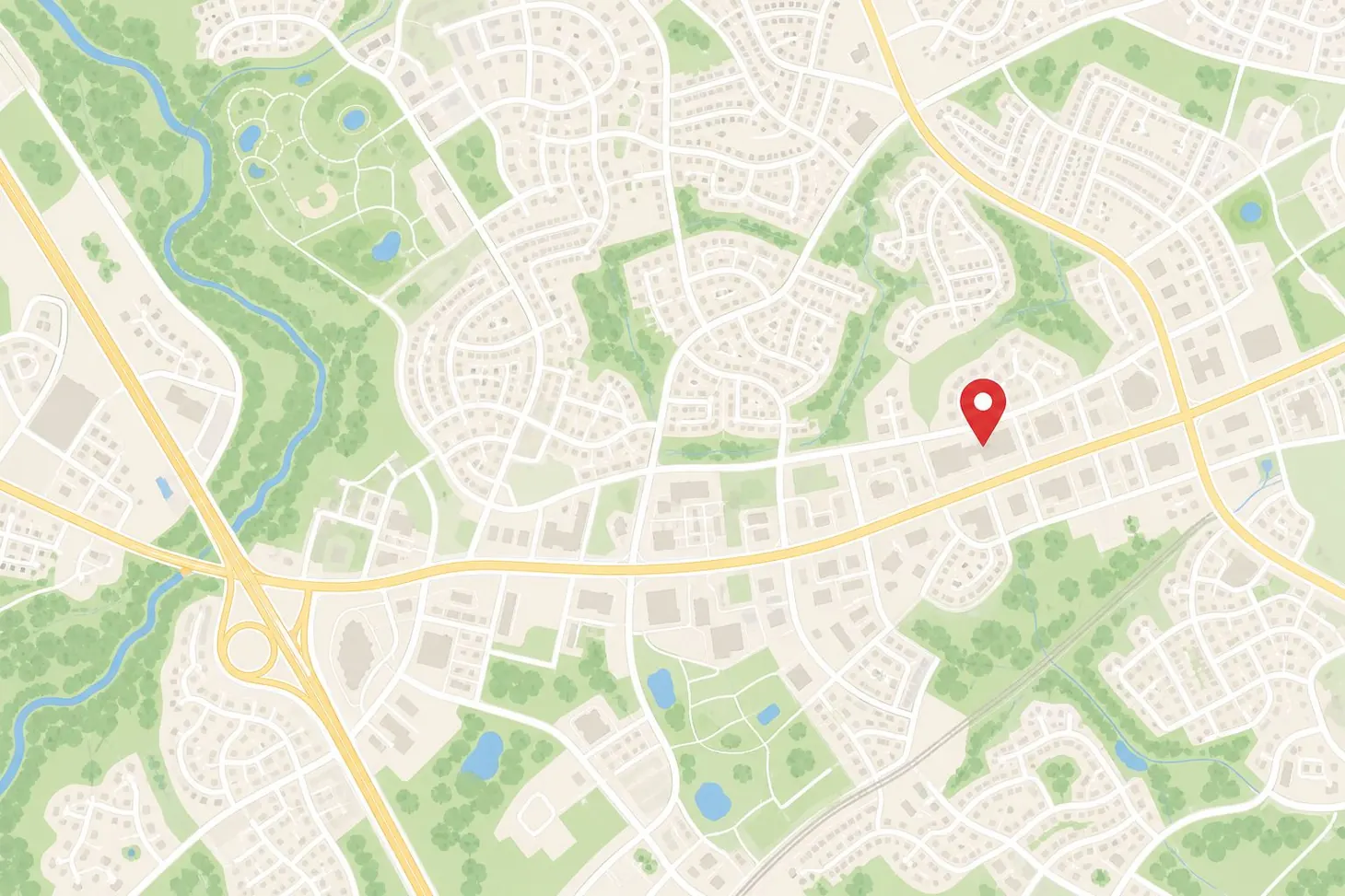
14999 Health Center Dr #110, Bowie, MD 20716, United States
Hi! I'm Tooth fairy! Your AI Assistant Ask me anything