Finding a loose tooth — or a gap where a tooth used to be — is unsettling. Tooth loss often begins quietly with pain, sensitivity, swelling, or a chip after an injury. The good news is that most adult tooth loss is preventable, and knowing what to watch for gives you the best chance of keeping your natural smile.
One key fact frames everything below: tooth decay and gum disease (periodontitis) cause most adult tooth loss. Below we cover the common causes — cavities, infection, and trauma — the warning signs to act on, and the immediate steps and long-term replacement options that protect the bone beneath your teeth.
Most tooth loss traces back to a few preventable problems:
Risk factors that raise your odds include age, genetics, and a family history of oral health problems. Older adults tend to have more wear on teeth and gums, and years of inconsistent hygiene compound the risk of cavities and gum disease. Watching for early symptoms is the simplest way to stay ahead of it.
Gum disease usually announces itself before a tooth is ever lost. Don't ignore these signs:
Infection can spread quickly without treatment, so any of these warrant a prompt call to your dentist. Early detection often means the difference between a simple cleaning and losing a tooth.
If a tooth is knocked out or broken, act fast — getting to a dentist within 30 minutes gives the best chance of saving it.
When a tooth truly can't be saved, a planned tooth extraction is often the healthiest path forward. Replacing the missing tooth matters just as much as removing it — an empty socket lets the jawbone shrink over time.
Replacement options include dental implants (artificial roots), bridges and crowns to restore function, and removable dentures. Where bone has already been lost, a bone grafting procedure can rebuild the foundation needed to support a stable, natural-looking replacement.
Alongside treatment, consistent daily habits do the heavy lifting: brush twice a day, floss nightly, and keep regular dental checkups so decay and gum disease are caught before they cost you a tooth. The ADA's gum disease overview is a helpful reference on prevention.
Tooth loss means losing one or more teeth. Common causes include tooth decay, cavities, gum disease, periodontitis, trauma, and infection. If a gap is left untreated, the surrounding bone can shrink over time.
Watch for pain, sensitivity, loose teeth, bleeding gums, and persistent bad breath. Pus or swelling can signal an infection that needs urgent care.
Practice good oral hygiene every day, see a dentist for regular preventive care, and treat cavities and decay early before they spread.
A dentist may recommend extraction when a tooth can't be saved, then restore function with crowns or bridges. For full tooth replacement, options include implants (artificial roots) or removable dentures.
See a dentist if you have severe pain, signs of infection, a loose tooth, or any trauma to the mouth. Acting quickly protects both the tooth and the bone around it.
Tooth loss affects far more than appearance — it can lead to bone loss and further infection. If you're dealing with a loose, painful, or missing tooth, call (301) 880-0504 to talk with the team at Dentist in Bowie about restoration and replacement options that protect your bone and restore full function.
Tooth decay and gum disease cause most adult tooth loss. Decay driven by poor oral hygiene and sugary diets weakens teeth until they can no longer be saved, while the severe form of gum disease, periodontitis, destroys the bone that anchors them. Trauma from accidents and sports injuries accounts for much of the rest. Age, genetics, and a family history of oral health problems raise the risk further.
Watch for swollen, red, or bleeding gums, increased sensitivity to hot and cold, persistent bad breath, gum recession that makes teeth look longer, and any tooth that feels loose. Pus, swelling, or throbbing pain can signal an infected tooth that needs urgent attention. Gum disease usually announces itself well before a tooth is actually lost, so early signs are worth acting on.
Get to a dentist within 30 minutes for the best chance of saving the tooth. Apply gentle pressure with clean gauze to stop any bleeding and rinse your mouth with warm salt water to keep the area clean. Handle the tooth by the crown rather than the root, and preserve it in milk or a saline solution until you arrive. Call for same-day care right away.
Replacement options include dental implants, which act as artificial roots, bridges and crowns that restore chewing function, and removable dentures. Replacing the tooth matters as much as removing it, because an empty socket lets the jawbone shrink over time. Where bone has already been lost, a bone grafting procedure can rebuild the foundation needed to support a stable, natural-looking replacement.
Brush twice a day, floss nightly, and keep regular dental checkups so decay and gum disease are caught early. Most adult tooth loss is preventable, and treating cavities before they spread is far simpler than replacing a tooth later. Limiting sugary foods helps, and any bleeding gums or new sensitivity is worth having evaluated rather than ignored.
Tell us a little about what you need — we'll be in touch shortly.
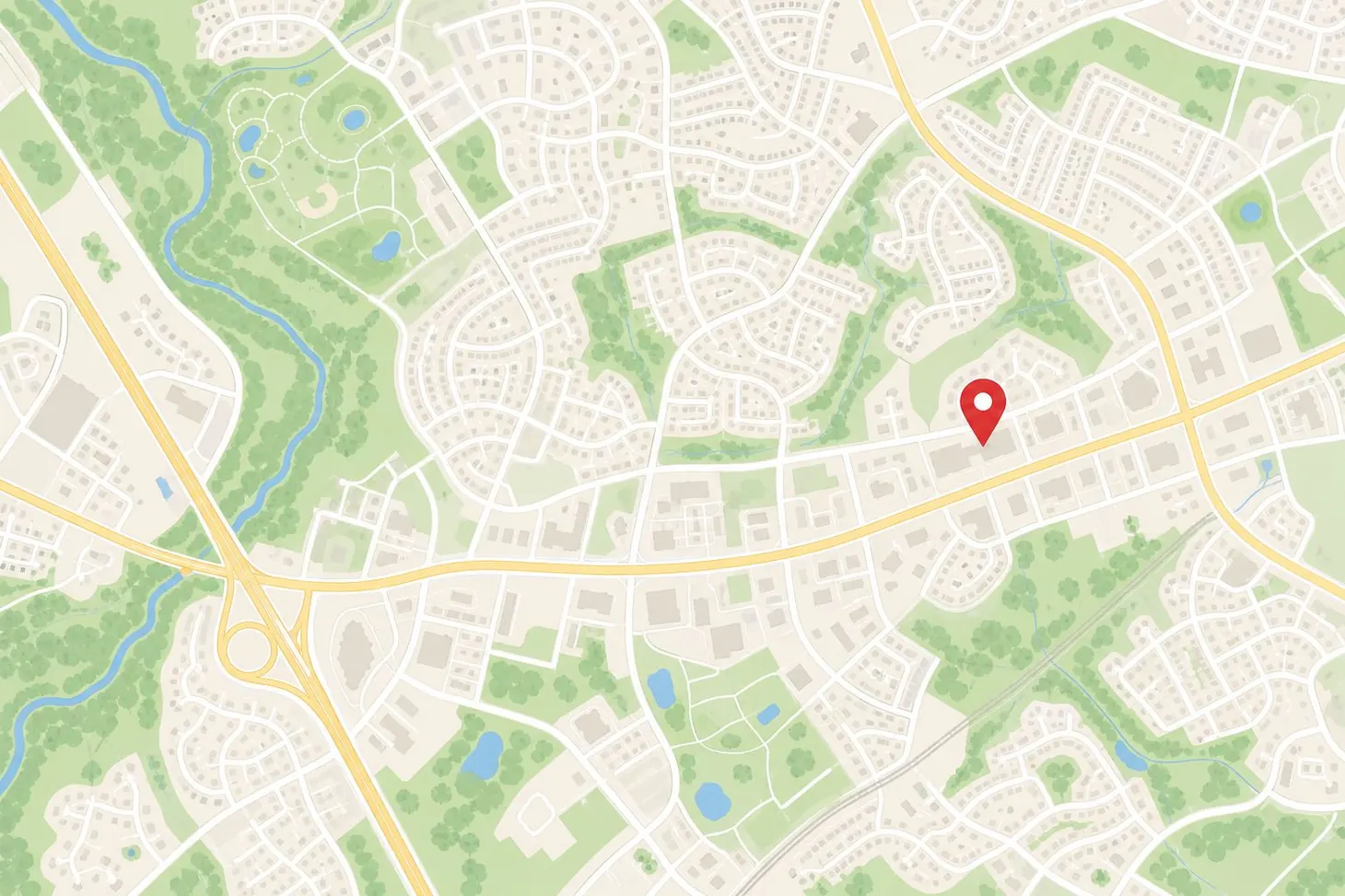
14999 Health Center Dr #110, Bowie, MD 20716, United States
Hi! I'm Tooth fairy! Your AI Assistant Ask me anything